CPAP machines are incredibly beneficial tools for managing sleep apnea. A literature review presented the results of three observational studies evaluating the effectiveness of CPAP machines in treating moderate to severe obstructive sleep apnea (OSA). Three interesting takeaways include:
- Study No. 1: After three months of CPAP, daytime sleepiness significantly improved, the share of patients with clinically significant sleepiness fell from 76% to 30% and respiratory disturbance index and oxygen saturation also improved
- Study No. 2: CPAP produced significant reductions in daytime sleepiness at 1 and 3 months and was associated with lower systolic and diastolic blood pressure
- Study No. 3: Outcomes depended on usage, with patients using CPAP more than seven hours a night being far more likely to achieve normal sleepiness scores than those using it less than two hours a night
Getting your first CPAP machine and reintroducing yourself to a good night’s rest is an exciting experience. While many people assume they’re done with doctor’s visits after they receive their machine, it’s crucial not to overlook the importance of follow-up appointments.
Why Are CPAP Follow-up Appointments Important?
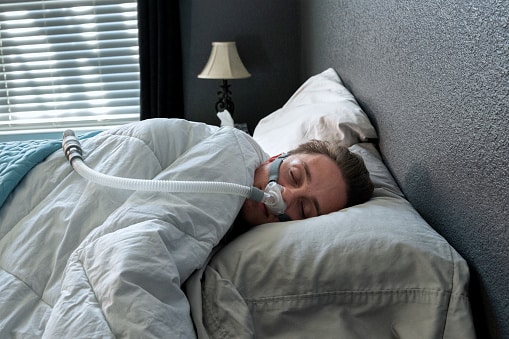
While CPAP machines are widely effective, each patient’s experience is unique. For some people, the machine can provide instant relief for OSA symptoms. For others, their machine may require a few adjustments after a period of use to support successful treatment.
What Does a Follow-up Appointment Entail?
During a follow-up appointment, your sleep specialist may do one or more of the following:
- Look at data on your machine to assess changes in your sleeping patterns
- Give you tips on fit and comfort if you’re having trouble sleeping while using the machine
- Ask you questions about your symptoms (snoring, restlessness, daytime drowsiness, etc.)
Your specialist will likely schedule your first follow-up when they give you your machine, but there are also a few reasons you might schedule another follow-up in the future.
Reasons To Schedule a Follow-up
You should schedule a follow-up appointment if you fall under any of these categories:
- Your sleep apnea gets worse over time
- You gain or lose significant weight (gaining weight can worsen sleep apnea, and losing it may make it better)
- You have noticed CPAP side effects, including but not limited to congestion, runny nose, dry mouth, nosebleeds or skin irritation
- You develop additional sleep issues, such as insomnia or restless legs syndrome
- Your sleep apnea doesn’t get better with consistent CPAP use
- You have problems with or questions about your CPAP machine
If it’s been a while since you last saw your sleep specialist, or you fall into any of the above categories, contact your local Beaumont experts at Southeast Texas Ear, Nose & Throat, LLP to schedule your appointment.