Snoring is a relatively common occurrence, with 45% of people snoring occasionally and 25% of people snoring most of the time. Many people assume that all snoring is an indicator of sleep apnea. In reality, there are dozens of reasons a person may snore, from allergies to a run-of-the-mill cold.
Let’s take a look at how we identify sleep apnea-related snoring and when you should seek help from an ENT specialist.
Sleep Apnea Snoring vs. Regular Snoring
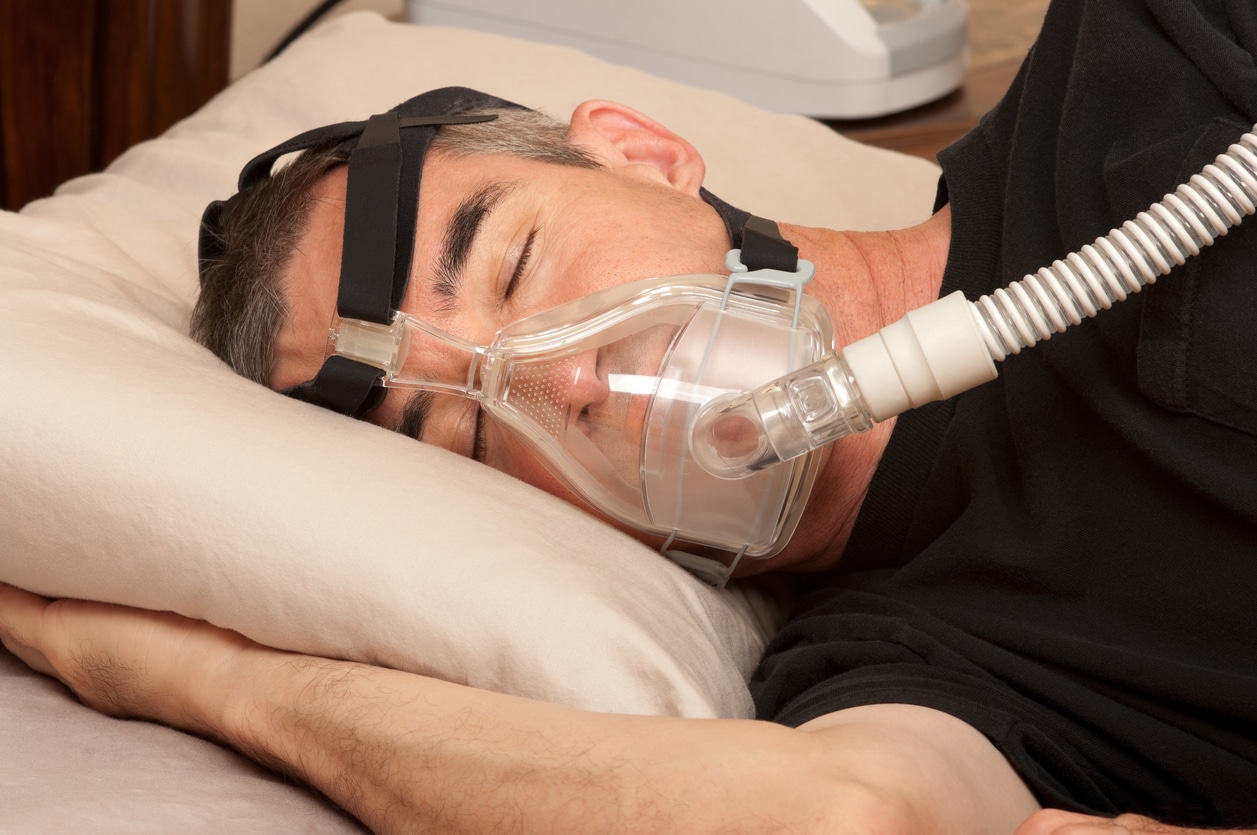
Sleep apnea is a condition wherein the tissues in your throat collapse while you’re sleeping, obstructing your regular breathing pattern. With sleep apnea, you may wake up dozens or hundreds of times during the night, often without realizing you’re doing so. Only a professional can definitively identify sleep apnea, but there are a few signs to watch out for:
- Nightly snoring
- Gasping for air
- Repeated pauses in breathing
- Unusual breathing patterns like fast or shallow breaths, followed by deep breathing and breathing pauses
- Waking up gasping for air
- Night sweats
- Restlessness
Your partner will likely notice the nighttime signs. A few daytime signs you can observe include:
- Excessive daytime sleepiness, even after spending eight or more hours in bed
- Poor concentration
- Mood changes
- Headaches
- Night sweats
Regular snoring, on the other hand, usually presents with the following:
- Whistling, vibrating, snorting or rumbling sounds at different volumes
- Tossing and turning while sleeping
- Waking up with a sore throat
- Drooling
If your snoring arises from congestion, you may have difficulty sleeping and daytime fatigue. If you suspect sleep apnea, ask your partner to note any times they spot changes in your breathing.
When To Schedule an ENT Appointment
If you snore loudly or your snoring disrupts your or your partner’s sleep quality, it’s time to schedule an appointment with an ENT specialist. Depending on your symptoms, your specialist may recommend a sleep test:
- Lab testing. A lab test is an overnight, in-office test. You’ll wear sensors that monitor your heart rate, breathing, brain waves, blood oxygen levels and more. You’ll need to pack an overnight bag. In most cases, you can sleep normally the night before, but it is best to avoid daytime napping on the day of your test.
- In-home sleep test. An in-home test is an excellent option for individuals who are concerned about falling asleep in a lab. The test is similar but doesn’t measure brain waves and cannot diagnose central sleep apnea.
Your morning cup of coffee from Sertinos Café is a nice treat, but if you find yourself adding a few extra shots every day, it’s time to see a specialist. Contact Southeast Texas Ear, Nose & Throat, LLP today to schedule an appointment with one of our trusted experts.